

Call 312-384-1940 Schedule Now
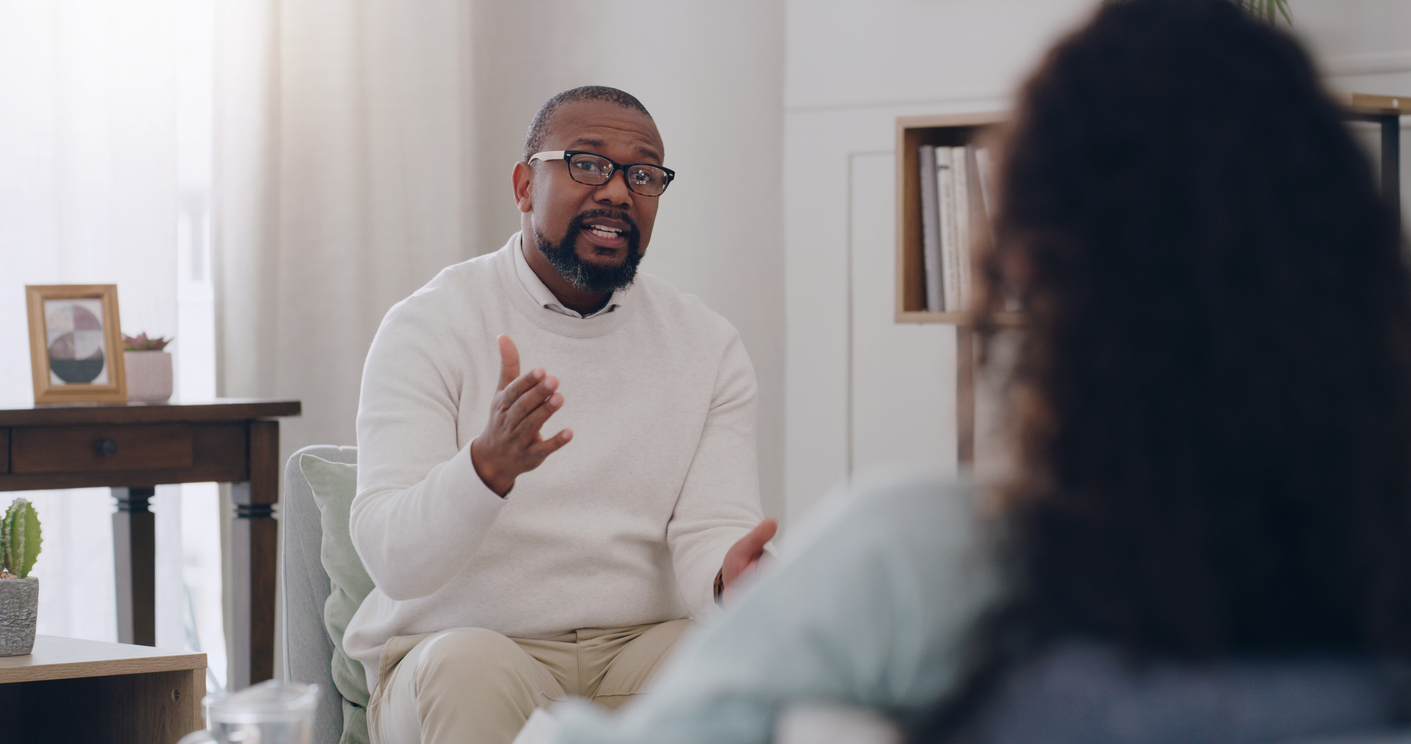
man doing first therapy session.
What to Expect in Your First Therapy Session

Your First Therapy Session: A Guide for Beginners

If you’re thinking about starting therapy but feel unsure about what to expect, you’re not alone. That first step can be the most intimidating—and the most empowering. Whether you’re navigating anxiety, depression, relationship issues, or simply seeking personal growth, knowing what will happen in your initial therapy appointment can help you feel at ease.

At Wellington Counseling Group, we support clients throughout Chicago, meeting you exactly where you are. Here’s a helpful guide on what to expect in your first therapy session—and how to prepare in a way that feels grounded and intentional.

It’s Okay to Feel Nervous

It’s completely normal to feel a mix of curiosity, hope, and anxiety before your first session. Therapy is an unfamiliar experience for many, and opening up to a new person—even a trained professional—can be daunting.

You might worry, “What if I don’t feel comfortable talking about certain things?” or “How do I know if this therapist will be a good fit?” These are valid concerns. Your therapist understands this, and your first session is designed to start slowly, giving you space to ease in.

What Will Happen in That First Session?

Your first therapy session is less about solving problems immediately and more about building trust. Think of it as a mutual introduction: you’re getting to know your therapist, and they’re beginning to understand you.

Expect your therapist to ask a lot of questions. These may include:

  • What brought you to therapy?
  • Have you ever been in therapy before?
  • What are your current challenges or symptoms?
  • What are your goals for therapy?
  • What does support look like for you right now?

These questions help your therapist get a clearer picture of what you’re navigating. If at any point you don’t feel comfortable answering something, let them know! You are in control of the pace.

Time Expectations and Goals

Many people wonder about the number of sessions they’ll need. The truth is, it varies. Some individuals benefit from short-term therapy focused on a specific issue, while others want to engage in longer-term work.

You and your therapist will work together to set goals that meet your needs. Your work together  will evolve over time, but having a starting point helps set the direction.

Talking About Types of Therapy

Depending on your needs and preferences, your therapist might use a combination of different types of therapy. These could include:

  • Cognitive Behavioral Therapy (CBT): Identify and reframe thought patterns.
  • Behavior Therapy: Modifying behaviors through structured techniques.
  • Psychodynamic Therapy: Exploring the influence of past experiences on current thoughts and behaviors.

Ask your therapist about their approach. A strong therapeutic relationship is collaborative—you’re not just a recipient of care; you’re an active participant in it.

What If You’re Not Sure It’s the Right Fit?

It’s okay if your first session doesn’t feel like an immediate match. A good fit matters, and that sometimes takes time. If after a few sessions you feel like something isn’t clicking, it’s appropriate—and encouraged—to talk about it.

Wellington Counseling Group includes a wide range of clinicians across specialties and approaches. If needed, we can help you find someone who aligns better with your needs. Your comfort and growth are our priorities.

How to Prepare for Your First Therapy Session

Here are a few simple ways to get ready:

  • Reflect on what’s been feeling heavy or confusing in your life
  • Jot down a few things you’d like to explore or change
  • Be open to not having all the answers right away
  • Bring any questions you have about the therapy process

You don’t need to rehearse or prepare a perfect “story.” Just come as you are.

Therapy Is a Space to Be Fully You

One of the most powerful aspects of therapy is the space it creates—free of judgment, pressure, or expectations. It’s one of the few places in life where you don’t have to explain yourself or perform. You get to simply be—and that’s where real change begins.

Whether you’re exploring your identity, working through a difficult transition, or simply learning how to better care for your mental health, therapy offers tools, insight, and connection.

Final Thoughts

Taking the first step toward therapy is a courageous act. It’s a commitment to yourself—your growth, healing, and well-being. At Wellington Counseling Group, we’re here to walk with you through the process. If you’re ready to take that first step or just want to explore your options, contact us today to schedule a therapy appointment in Chicago. We’ll help you find the right therapist and support you in feeling comfortable from day one.

woman doing individual therapy.
The Role of Individual Therapy in Relationship Health

When we think about improving our relationships, we often jump straight to couples therapy or family therapy. But there’s another powerful, often overlooked tool that can have a deep impact on relationship health: individual therapy.

Individual therapy isn’t just for addressing personal mental health issues. It’s also one of the most effective ways to gain insight into the patterns you bring to your relationships, while helping you to improve communication skills, and build the emotional resilience needed to foster healthy relationships.

Whether you’re in a committed partnership, navigating trust issues, or simply want to better understand your role in recurring relationship challenges, individual therapy offers a safe space for growth.

How Individual Therapy Strengthens Relationships

Healthy relationships start with self-awareness. Often, we bring unconscious habits, assumptions, and emotional baggage into our connections with others. Therapy helps individuals recognize these patterns and begin the work of change.

Some of the most common relationship issues that benefit from individual therapy include:

  • Communication breakdowns
  • Trust issues
  • Conflict avoidance
  • Jealousy or insecurity
  • Codependency or lack of boundaries

In individual therapy, you can explore where these patterns come from—family dynamics, past relationships, or internal belief systems—and how they affect your current partnerships. With this deeper understanding, you can start building healthier and more fulfilling relationships.

Fostering Personal Growth for Relational Strength

Strong relationships require strong individuals. When each person in a relationship is actively working on their emotional well-being, the partnership has a stronger foundation.

Therapy supports this by:

  • Fostering personal growth
  • Increasing emotional regulation
  • Helping individuals understand their emotional triggers
  • Supporting goal setting for both personal and relational health

These changes often lead to better communication, more patience, and a greater capacity for empathy—all essential for sustaining healthy relationships.

In our work with individuals across Chicago and the suburbs, including Lakeview and River North—we’ve seen firsthand how investing in personal growth leads to improved connection and resilience within relationships.

Individual Therapy as a Complement to Couple Therapy

Couples therapy is highly effective, but it sometimes uncovers individual challenges that are best addressed one-on-one with a therapist. Individual therapy provides space to:

  • Process what arises in couple sessions
  • Work on self-esteem or anxiety that affects the relationship
  • Explore unrecognized/unresolved trauma that influences current behavior

Therapy individuals pursue on their own often accelerates progress in couple therapy. When both partners are self-reflective and actively working on their emotional well-being, it creates a stronger base for shared healing and connection.

A Safe Space for Honest Reflection

Sometimes, relationship challenges are hard to talk about openly—especially when there’s fear of judgment or hurting the other person. One of the key benefits of individual therapy is that it offers a completely safe space for open and honest exploration.

You can explore your doubts, fears, and frustrations without having to filter your words. Your therapist helps you clarify what you’re feeling and why, without rushing you into decisions. That clarity often leads to more thoughtful communication with your partner.

Building Better Communication Skills

Improving communication skills is one of the biggest ways individual therapy helps people improve relationships. Many of us were never taught how to express ourselves clearly or how to listen with empathy.

Therapists can help you:

  • Practice assertive but kind communication
  • Identify your emotional needs and how to express them
  • Break unhealthy conflict patterns
  • Learn to respond rather than react

With time, these skills translate into smoother conversations, fewer misunderstandings, and more meaningful connections.

Addressing Mental Health Issues That Impact Relationships

Mental health and relationships are deeply connected. Conditions like anxiety, depression, PTSD, or unresolved trauma can affect how we show up in relationships. If left unaddressed, these issues often create tension, miscommunication, or emotional distance.

Individual therapy provides tools for managing these challenges, so they don’t dominate your relational life. For example:

  • Learning to manage anxiety can reduce conflict rooted in overthinking or control
  • Addressing depression can support more consistent emotional presence
  • Processing trauma can free you from fear-based responses to intimacy

Improving your mental health doesn’t just benefit you—it’s an act of care toward your partner as well.

The Therapeutic Approach at Wellington Counseling Group

At Wellington Counseling Group, we tailor therapy to each individual’s needs and relationship goals. Our therapeutic approach is holistic, compassionate, and grounded in helping you understand your unique context.

We help you connect the dots between your inner world and your relationships, offering tools and insights that lead to lasting change. Whether you’re seeking therapy for the first time or returning to do deeper work, our experienced therapists are here to support you.

We serve clients across Chicago and the suburbs, including Lakeview and River North. We’re committed to making therapy accessible and impactful for individuals ready to improve their lives—and their relationships.

Taking the First Step

If you’re feeling stuck in relationship patterns or want to build healthier, more fulfilling connections, individual therapy might be the best place to start. It’s not selfish—it’s a proactive step toward the kind of life and love you want to build.

Reach out to Wellington Counseling Group today to schedule a session and learn more about how therapy can support your relationships, your mental health, and your long-term well-being.

Together, we’ll help you gain insight, strengthen your communication, and create the foundation for deeper, more connected relationships—starting with the one you have with yourself.

couple doing pre-marital counseling.
The Benefits of Pre-Marital Counseling: Building a Strong Foundation for a Healthy Relationship

Marriage can be one of life’s most meaningful commitments—but it also comes with challenges that many couples don’t fully anticipate. That’s why more engaged couples are choosing to attend pre-marriage counseling. Rather than waiting for conflict to arise, they’re investing in their relationship early, laying the groundwork for a resilient and connected married life.

At Wellington Counseling Group, we support engaged couples across Chicago and the suburbs, including Lakeview, and River North—through premarital counseling sessions designed to strengthen communication, explore shared values, and prepare for marriage with intention.

Why Consider Pre-Marital Counseling?

Pre-marital counseling isn’t just about solving problems—it’s about preventing them. These sessions give couples a chance to explore their relationship dynamic, identify potential problem areas, and build tools for navigating life together.

The benefits of premarital counseling include:

  • Learning how to improve communication skills
  • Developing conflict resolution strategies
  • Exploring individual and shared goals
  • Addressing sensitive topics like money, family, and intimacy

In short, it helps couples prepare for marriage, not just plan a wedding.

Set Realistic Expectations

One of the most common causes of relationship strain is unmet or unspoken expectations. Pre-marriage counseling offers a structured, supportive space for open discussion about what each partner envisions for married life.

This can include:

  • How household responsibilities will be shared
  • Financial planning and spending habits
  • Career goals and work-life balance
  • Plans for starting a family

Setting realistic expectations doesn’t mean lowering your standards. It means aligning your hopes and values so both partners feel understood and supported.

Strengthen Communication and Conflict Resolution

Even the strongest couples face disagreements. The key to a healthy relationship isn’t avoiding conflict—it’s learning how to navigate it well.

During premarital counseling, couples learn:

  • How to express needs without blame or criticism
  • How to listen without defensiveness
  • Tools for resolving disagreements respectfully

Improving communication skills early can prevent minor frustrations from turning into major issues. It also helps couples feel more confident in their ability to face challenges together.

Address Important Topics Before They Become Issues

Pre-marriage counseling is a safe space to explore subjects that often go undiscussed. This includes everything from family planning and parenting philosophies to mental health, spiritual beliefs, and lifestyle differences.

These conversations can surface differences that might otherwise remain hidden until they cause tension. Addressing them proactively helps couples understand each other more deeply and develop shared strategies for the future.

A premarital counselor can also guide couples through difficult topics gently, making sure both partners feel heard and respected.

Support Mental Health and Emotional Intimacy

Strong marriages are built not just on logistics, but on emotional connection. Pre-marital counseling helps couples explore the emotional aspects of their relationship, including attachment styles, vulnerability, and support needs.

Couples therapy before marriage can:

  • Promote mutual understanding and empathy
  • Build trust through open dialogue
  • Encourage personal growth that supports the relationship

By supporting each partner’s mental health, counseling sessions can create a stronger emotional foundation that sustains couples through both joyful and difficult seasons.

Build a Strong Foundation for Married Life

Every marriage will face transitions—career changes, family challenges, health issues, and more. The strength of a marriage often lies in how well the couple is prepared to adapt together.

Pre-marital counseling helps you:

  • Anticipate potential stressors
  • Clarify your shared values
  • Develop routines for regular check-ins
  • Reinforce the idea of your marriage as a partnership

When you’ve already had the tough conversations, built communication skills, and practiced problem-solving together, you’re more equipped to face whatever comes your way.

Who Should Attend Premarital Counseling?

All engaged couples can benefit from premarital counseling—whether you’ve been together for a decade or just a few years. It’s not about having problems; it’s about building resilience.

Some couples come in feeling strong and simply want to reinforce what’s working. Others may already notice recurring disagreements and want support before those issues grow. Both approaches are valid, and both can benefit from the structured support of a premarital counselor.

When to Start

Ideally, couples begin attending premarital counseling several months before the wedding. This allows time to work through discussions at a comfortable pace and integrate what they’re learning into their daily lives.

That said, it’s never too late to start. Whether you’re newly engaged or already married and seeking a tune-up, the tools you gain can support your relationship for years to come.

Take the First Step Toward a Stronger Future

Marriage is a journey, not a destination. Starting that journey with clarity, connection, and support can make all the difference.

If you’re an engaged couple preparing for marriage, consider scheduling premarital counseling at Wellington Counseling Group. We serve couples across Chicago and the suburbs, including Lakeview, and River North—with thoughtful, personalized guidance designed to help you thrive together.

Let’s build a strong foundation for your future—starting now.

Caring husband holding his wife hand and showing empathy and support
Supporting a Partner with Mental Health Issues: Compassion, Communication, and Care

Being in a loving relationship doesn’t mean everything is always easy—especially when your partner is struggling with mental health issues. Whether it’s anxiety, depression, or another form of mental illness, watching someone you love suffer can leave you feeling helpless, overwhelmed, or unsure of what to do next.

But your support matters. With compassion, consistency, and a willingness to learn, you can support your partner while also taking care of yourself. And when needed, couples counseling and professional support can strengthen your connection during challenging times.

At Wellington Counseling Group, we help couples across Chicago and the suburbs, including Lakeview, and River North—navigate mental health concerns together, building resilience and restoring connection.

Understanding Mental Health in Relationships

Mental illness affects more than just the person experiencing it—it impacts the dynamic of the entire relationship. Communication may become strained, daily routines may shift, and emotional connection can be harder to maintain.

It’s important to remember that your partner’s mental health issues are not a reflection of your relationship’s value or your ability to support them. Mental illness is not a choice, and it’s not something you can “fix” alone. But you can walk alongside your partner with empathy and encouragement.

Offer Support Without Taking Over

One of the biggest challenges when your partner is struggling is knowing how much to step in. You want to help, but you don’t want to take control or send the message that they’re incapable.

The goal is to offer support while honoring their autonomy. That means:

  • Asking how they want to be supported
  • Listening without judgment or rushing to give advice
  • Checking in regularly with open-ended questions like, “How are you feeling today?” or “Is there anything I can do to help right now?”

Even small gestures—like sending a text to say you’re thinking of them or bringing them a glass of water—can show care and help your partner feel less alone.

Encourage Healthy Habits Gently

When someone is struggling mentally, daily self-care can feel overwhelming. Gently encouraging your partner to eat well, exercise, and rest can support their overall well-being.

Instead of nagging or pushing, consider making it a shared activity:

  • Suggest going for a walk together
  • Cook a healthy meal you can enjoy as a couple
  • Practice mindfulness or stretching at the end of the day

Framing these habits as ways to connect can reduce pressure and support both partners’ mental health.

Practice Open and Compassionate Communication

Mental illness can impact communication. Your partner may withdraw, feel irritable, or struggle to express what they need. That’s why it’s especially important to keep your own communication open and grounded in compassion.

Some helpful reminders:

  • Speak calmly and clearly
  • Avoid blaming or criticizing
  • Express your love and appreciation often

Let your partner know that it’s okay to not be okay—and that they don’t have to hide their struggles from you. Your emotional presence helps create a safe space where healing can begin.

Set Boundaries to Protect Your Well-Being

Supporting a partner with mental health issues doesn’t mean sacrificing your own needs. In fact, protecting your energy is essential. Burnout doesn’t help anyone.

It’s okay to say:

  • “I care about you, but I need a little time to recharge.”
  • “I want to support you, and I also need to keep taking care of myself.”

Maintaining your own mental and emotional health allows you to show up with patience and empathy. It also models healthy boundaries, which are key in any relationship.

Seek Professional Support

There may be times when your partner’s struggles are beyond what you can help them navigate alone. Encouraging them to connect with mental health professionals can be one of the most supportive things you do.

This might involve:

  • Helping them research therapists or counseling options
  • Offering to attend appointments together
  • Normalizing therapy as a resource—not a last resort

Couples counseling can also be a powerful tool. At Wellington Counseling Group, we work with couples to manage their mental health in a way that supports both individuals and the relationship.

Therapy can help:

  • Improve communication during emotional struggles
  • Strengthen emotional intimacy
  • Reduce feelings of isolation
  • Build strategies for navigating mental health as a team

We serve couples throughout Chicago and the suburbs, including Lakeview, and River North—and offer both individual and relational support.

Celebrate the Small Wins

Recovery or symptom management is rarely linear. There will be ups and downs. But even in difficult times, it’s important to notice and celebrate progress—no matter how small.

That could be your partner getting out of bed on a tough day, reaching out to a therapist, or sharing their feelings openly. Recognizing these moments helps build hope and reinforces a sense of partnership.

Let your partner know: “I see how hard you’re trying, and I’m proud of you.” These words matter more than you might think.

Final Thoughts

Supporting a partner through mental health challenges is not easy—but it can deepen your bond, strengthen your resilience, and bring a greater sense of connection. Love doesn’t mean fixing everything; it means being present, being patient, and being willing to grow together.

If your relationship is feeling strained by mental illness, or if you’re unsure how to best support your partner, reach out to Wellington Counseling Group today. We’re here to help couples across Chicago find clarity, compassion, and connection—one step at a time.

couple using technology together.
The Impact of Technology on Relationships: Finding Balance in a Digital Age

In today’s harried technological era, technology plays a central role in nearly every aspect of our lives—including how we connect with our partners. From video calls and instant messaging to social media platforms and shared calendars, technology has transformed modern relationships in ways both helpful and harmful.

While there are clear positive impacts that create novel opportunities to connect and share experience, the constant presence of screens and online interactions can also create distance and misunderstanding. Like any powerful tool, the impact of technology on relationships depends largely on how we use it.

At Wellington Counseling Group, we work with couples across Chicago and the suburbs, including Lakeview, and River North—to help them navigate the unique challenges of maintaining connection in the digital era. Here’s what we’ve learned.

The Positive Impacts of Technology on Relationships

Technology makes it easier than ever to stay in touch. For couples in long-distance relationships or with busy schedules, the ability to send a quick text or hop on a video call helps bridge physical gaps. These small touchpoints offer reassurance and help partners feel connected throughout the day.

Instant messaging can help couples check in regularly, share laughs, and offer encouragement. Video calls replicate face to face interaction, allowing couples to connect visually even when apart. Shared calendars and apps can support better coordination and planning, reducing logistical stress.

For some, social media platforms allow for celebrating milestones and expressing affection publicly, reinforcing the relationship in a broader community.

When used mindfully, technology can enhance emotional intimacy and help maintain healthy connections.

The Negative Impacts of Technology on Relationships

Despite its benefits, technology also presents challenges. One of the most common concerns we hear in therapy is about the sheer amount of time partners spend on their devices—whether for work or for social engagement—especially during what should be quality time together.

Scrolling through social media, responding to emails, or getting lost in online content can easily eat into time meant for connection. The result is less eye contact, fewer conversations, and a drop in emotional presence.

Online interactions can also lead to miscommunication. Without tone of voice or body language, text messages are easy to misinterpret. And constant connectivity can create pressure to always be available—something that can contribute to stress and anxiety, especially when one partner expects immediate responses.

Social media has its own set of relationship stressors. Comparing your relationship to curated images online or navigating interactions with past partners can trigger insecurity and conflict.

In short, the impact of technology on relationships isn’t inherently bad—but without awareness and boundaries, it can erode the connection you’re trying to build.

Quality Time vs. Screen Time

One of the best ways to counter the negative impacts of technology is by being intentional about quality time. This means not just being in the same room, but actually connecting—talking, laughing, touching base emotionally.

Consider:

  • Setting aside tech-free times, such as during meals or before bed
  • Creating a nightly ritual that doesn’t involve screens
  • Prioritizing activities that involve shared attention—like walks, games, or cooking together

Even just 20 minutes of uninterrupted conversation can help couples feel more grounded and emotionally close.

Setting Boundaries Around Technology

In our work with couples across Chicago, we often recommend setting shared boundaries around technology use. This doesn’t mean giving up your devices—it means using them more mindfully.

Some helpful boundaries include:

  • No phones at the dinner table
  • Turning off notifications during date nights
  • Having open conversations about social media expectations
  • Agreeing on how to manage digital communication with ex-partners or online friends

These discussions help reduce misunderstandings and set clear expectations, which are key to maintaining trust and connection.

Technology and Mental Health

Technology can also affect the mental health of individuals within a relationship. Doomscrolling, constant comparison on social media, and lack of face-to-face interaction can all contribute to anxiety and depression.

When one or both partners are struggling mentally, it affects the dynamic of the relationship. Recognizing this connection and being willing to talk about how screen time impacts your mood—and your interactions—can lead to healthier, more compassionate conversations.

Therapy can be a valuable resource here, offering tools to regulate tech use, improve communication, and strengthen the emotional core of your relationship. And if for no other purpose, the appointment can create a regular, even weekly, structured hour of time together, focusing on one another.

Embracing Technology, Mindfully

Technology is here to stay, and that’s not a bad thing. The key is using it in ways that align with your relationship values and goals.

Ask yourselves:

  • Are we using tech to enhance or replace real connection?
  • Are we distracted during time meant for each other?
  • Are our digital habits supporting or undermining our emotional closeness?

These questions can guide you toward more intentional use of technology that supports—not sabotages—your relationship.

When to Seek Support

If you’re noticing increased conflict, emotional distance, or frustration around technology use, it might be time to talk with a professional.

At Wellington Counseling Group, we help couples navigate the complexities of modern relationships, including how to manage digital habits in a healthy way. Whether you’re struggling to stay connected or simply want to strengthen your communication, we’re here to help.

We work with couples throughout Chicago and the suburbs, including Lakeview and River North—and offer a supportive, nonjudgmental space to explore challenges and build better habits.

Final Thoughts

The impact of technology on relationships is as much about habits and intention as it is about screens and devices. By having open conversations, setting boundaries, and prioritizing quality time, couples can maintain healthy, fulfilling relationships in the digital age.

If your relationship needs a reset or you want support in finding better balance with technology, reach out to Wellington Counseling Group today. Let’s build more meaningful connections—online and off.

middle aged man day dreaming and looking through the window at home.
Introducing the Men’s Midlife Mix: A New Group Therapy Experience

Midlife is a significant period of reflection and transition, often bringing unique challenges alongside opportunities for growth. Navigating changing relationships, redefining identity, or managing new stresses can feel isolating.

Wellington Counseling Group is pleased to announce the launch of the Men’s Midlife Mix, an in-person, weekly group therapy experience designed specifically for men over 40. Held at our River North office, this group provides a safe, supportive environment to explore life’s complexities with peers who understand, each Thursday at 5:15 PM, starting in September 2025.

The Men’s Midlife Mix will focus on themes central to this stage of life, including:

  • Emotional Intelligence & Communication Skills
  • Relationship Issues & Family Dynamics
  • Anger & Stress Management
  • Masculinity & Identity
  • Life Transitions (retirement, empty nest, physical changes)
  • Grief and Loss
  • Fatherhood & Parenting
  • Work/Life Balance & Career Reflection
  • Healthy Habits & Self-Care

The group is thoughtfully facilitated to ensure a respectful, confidential, and supportive space. Discussions are guided yet flexible, adapting to members’ needs. Key principles include strict confidentiality, respectful communication, a focus on exploring feelings, and the value of consistent attendance for building trust and facilitating deeper work. Each session will blend open dialogue with practical skill-building and psychoeducation on managing emotions, improving relationships, and promoting well-being.

Our licensed facilitators are experienced professionals dedicated to fostering a safe environment, offering practical insights, helping navigate interpersonal dynamics, and supporting each member’s growth journey with empathy and understanding.

Joining the Men’s Midlife Mix is an investment in yourself. It’s an opportunity to build emotional intelligence, strengthen relationships, develop healthier coping strategies, navigate transitions with confidence, and connect with men facing similar experiences. You don’t have to navigate midlife alone; with the right support, this time can be one of significant growth and renewal.

Ready to learn more or reserve your spot? Contact Wellington Counseling Group today. We look forward to supporting you in shaping this next chapter of your life.

Accessibility Toolbar